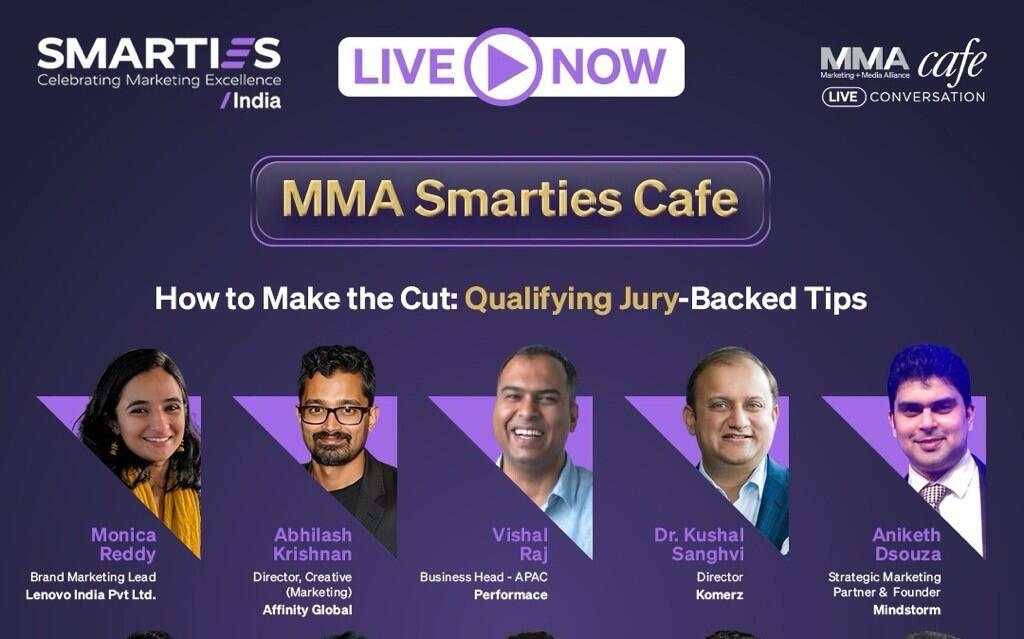
India’s most senior marketing leaders share tips and tricks to crack SMARTIES gold
India’s most senior marketing leaders share tips and tricks to crack SMARTIES gold. The work they evaluate at this stage is already good. Here is what they said about the difference between shortlisted and winning.
What India’s SMARTIES 2026 Qualifying Jury Wants Every Entrant to Know
From what earns Gold to what quietly kills a submission before it gets a fair hearing - India’s top brand marketers and industry leaders hold nothing back
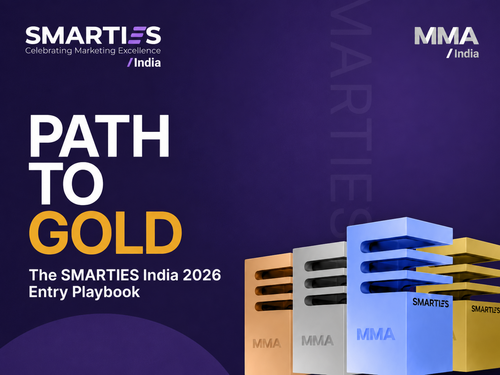
A practical guide packed with jury tips, submission strategy, winner inspiration and global credentials - built to help you enter, compete and win.
Path to Gold: The SMARTIES India 2026 Entry Playbook is packed with jury tips, submission strategy, winner inspiration and global credentials - built to help you enter, compete and win.
Peak Season Playbook is a strategic retail media guide designed for Türkiye's unique calendar of overlapping demand moments, including Valentine's Day, Ramadan, Mother's Day, Back to School, and Legendary November. Each peak season is driven by different consumer motivations, purchase journeys, and measurement realities. Treating them all the same leads to inefficient spending and missed growth opportunities.
Data, Insights, Outlook 2026 is a quarterly thematic series edition from Marketing + Media Alliance Indonesia that captures the signals shaping marketing & advertising across the year. Each edition draws from Member Insights contributed by MMA Indonesia members and turns those perspectives into a curated view of the forces influencing business, brands, consumers and growth - as highlights.
GEO challenges traditional performance logic because influence may occur inside an answer without producing a click. That means marketers may need to measure inclusion, citation accuracy, competitive share of AI responses, recommendation context, downstream verification, and eventual business outcomes. The debate is how to connect these emerging visibility signals to investment decisions without pretending the measurement problem is solved.
The practical question is not whether brands can control AI answers, but whether they can influence the sources, structures, and signals AI systems use. Research and practitioner evidence suggest that brands can improve retrievability and representation, but the evidence base is still developing and platform behavior remains partly opaque. The debate is where to draw the line between credible optimization, experimentation, and overclaiming.
AI systems need to retrieve, interpret, and synthesize brand information before they can recommend it. That makes content structure, metadata, schema, source clarity, and answer-ready pages more strategic than they may have been in traditional SEO alone. The debate is whether AI visibility is mostly a content problem, a technical data problem, or a broader organizational readiness problem.