Last Friday, the strongmetrics team attended SMARTIES India 2026, the flagship event by MMA India, joining industry leaders and innovators to celebrate marketing excellence and explore how technology, creativity and data are shaping the future of marketing.
A key highlight was the launch of 101 AI in Marketing Use Cases, a curated learning library designed to help marketers understand how AI is being applied across the industry to drive meaningful, measurable impact. We are proud to be a Council Member of this initiative, contributing to a larger industry conversation on the practical applications and possibilities of AI in marketing.
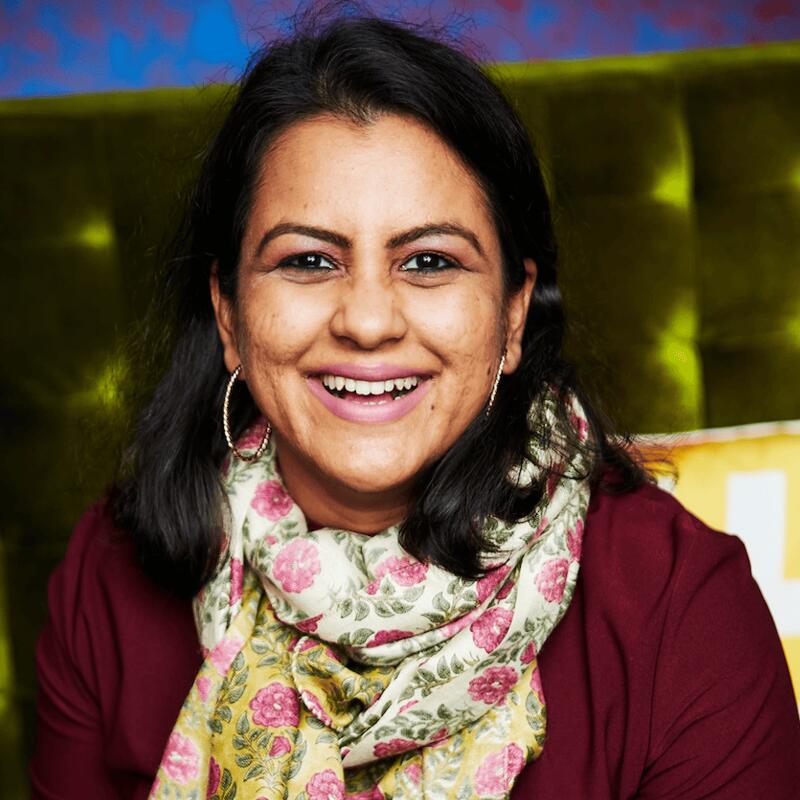
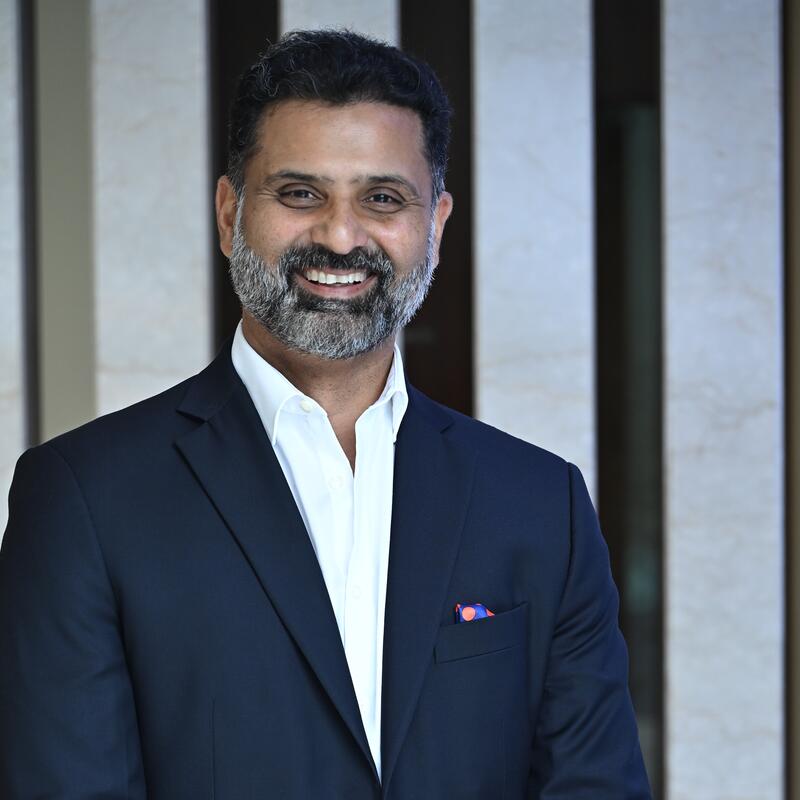
Representing strongmetrics at the launch were Nimit C., Founder & CEO; HARSH SHARMA, Lead – Product & Engineering; and Nafisa Shaheen, Lead – PR & Marketing.
As AI continues to transform the marketing landscape, we look forward to contributing to initiatives that move beyond the hype, encourage knowledge-sharing and spotlight real-world applications that deliver business impact.
Here’s to shaping what’s next for marketing, together.
What if a plate could reveal the hunger we don’t see?
We’re pleased to announce that HungerWare Collection: The Plates That Serve Truth, part of India Gate Basmati Rice’s Grains of Hope initiative, has won at MMA India SMARTIES 2026 in the Social Impact Marketing category.
At the heart of the campaign was a striking plate visual that brought the realities of hunger and food insecurity into focus. By turning an everyday dining object into a powerful conversation starter, HungerWare highlighted the importance of child nutrition and our mission of 'Grains of Hope'initiative to support mid-day meals, helping ensure that no child’s aspirations are limited by a lack of nourishment.
The panelists unpacked why scaling AI successfully requires far more than technology alone – demanding clear business strategy, mature digital capabilities and an unwavering focus on human insight to drive real impact. Thanks to MMA India for a fantastic event.
Lloyd, thanks for a comfortable SMARTIES organised yesterday and congratulations to you and your team on a lovely Friday where we could freely mingle and exchange knowledge. Really appreciate your guidance throughout the submissions and the win. Myntra client went back happy.
Hi Lloyd,Thank you so much for being such a wonderful partner throughout SMARTIES Unplugged and the Leadership Roundtable.We truly appreciated the opportunity to be part of the conversation and connect with the industry in a meaningful way. Thank you to you and the team for a well-executed event and a seamless experience throughout.
Looking forward to the event report and future opportunities to work together.
Can a regular commute become a media moment for brands? Uber Advertising surely thinks so.
The newly launched mobility platform in India believes that where consumers are going can matter as much as who they are. However, when does contextual relevance step into the realm of intrusive targeting?
During a fireside chat at MMA India SMARTIES Unplugged 2026, Uber Advertising’s head, Arpit Tyagi, discussed the promise of reaching consumers at the right moment, and the responsibility to ensure advertising doesn’t compromise the ride. Read more on Campaign India.
Is reach enough, or should marketers be measuring attention too?
The Beyond Reach report by Publicis Media India and MMA India reveals that 81% of marketers prioritise reach, while 92% cite standardised attention measurement as a key challenge.
Lalatendu Das, CEO, Publicis Media South Asia: “Reach will remain fundamental to any media strategy, but scale alone does not tell us whether an exposure has the quality or opportunity to drive an outcome.”
81% of Indian marketers prioritise reach, but only 17% prioritise attention quality, finds the Beyond Reach report
Reach remains central to media planning, but Publicis Media India and MMA India’s ‘Beyond Reach’ report reveals a gap between intent and practice: 86% of marketers would likely reallocate budgets if robust attention evidence showed stronger brand-memory outcomes, while 92% cite a lack of reliable or standardised attention measurement as a major barrier.